Christmas Home Vol. 40: Vintage Charm for Your Holiday Projects
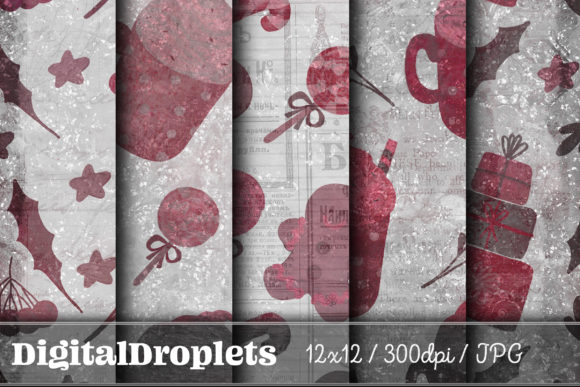
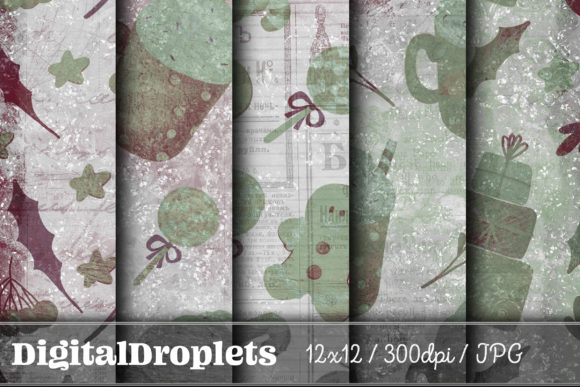
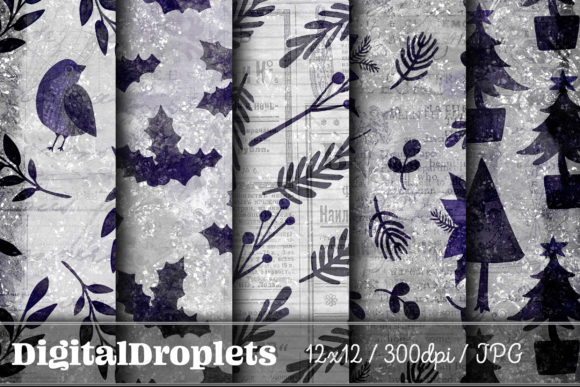
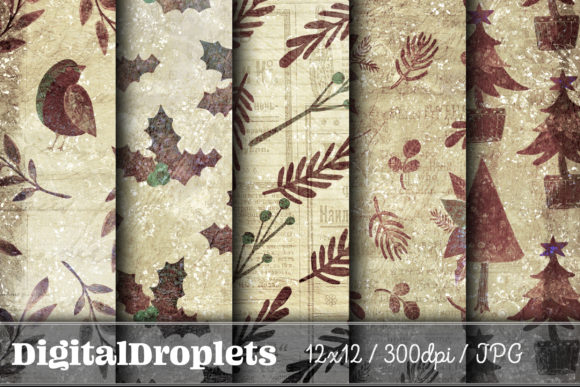
There's a particular kind of warmth that comes from holding a piece of old paper. It might be a faded recipe card in your grandmother's handwriting or a letter from a relative you never met. The Christmas Home Vol. 40 | Collection taps directly into that feeling. This isn't just a set of digital papers; it's a curated toolkit for injecting authentic, nostalgic character into your creative work. Each of the ten 12x12 papers in this set is a layered story, blending classic Christmas patterns—think delicate snowflakes, festive plaids, and vintage ornaments—onto textured, aged paper backgrounds. Some pages even feature subtle, handwritten script or secondary patterns, adding depth that feels discovered rather than designed.
The Visual Personality: More Than a Pattern
What makes the Christmas Home Vol. 40 | Collection 12×12 Paper Set stand out is its refusal to be one-note. The personality is decidedly vintage, but it's versatile. The color palettes are muted and sophisticated, avoiding the sometimes overwhelming brightness of modern holiday graphics. The textures are key; they provide a tactile, organic quality that digital designs often lack. This isn't flat, sterile pattern—it's the kind of surface that makes you want to run your fingers over it. For a designer, this translates to instant visual interest and a sense of history. For a crafter, it means your project starts with a built-in foundation of character.
Practical Applications: Where This Collection Shines
Understanding a design asset's strengths is crucial for using it effectively. The vintage aesthetic of the Christmas Home Vol. 40 set makes it particularly powerful for projects aiming for a heartfelt, timeless, or artisanal feel. It's a premium font for your background, but it functions with the flexibility of a core design asset.
- Brand Identity & Packaging: For small businesses, especially those in artisanal goods, bakeries, boutique retail, or handmade crafts, these papers can form the basis of a seasonal brand identity. Use them as backgrounds for product tags, labels, or social media graphics. They communicate quality, tradition, and care—a direct contrast to mass-produced aesthetics.
- Editorial & Blog Design: Bloggers and content creators can use these papers as backgrounds for quote graphics, featured images, or newsletter headers. They add a layer of professionalism and thematic consistency to holiday content, making your site feel more curated and visually engaging. It's a subtle way to enhance your brand's storytelling.
- Print & Digital Scrapbooking: This is their native environment. The papers are perfect for creating layered, textured scrapbook pages. Use them as full backgrounds or cut them into frames, mats, and journaling blocks. The variety within the set—ten different patterns—allows for cohesive yet interesting page layouts without repetition.
- Junk Journaling & Mixed Media: The authenticity of the textures makes these papers ideal for junk journal substrates, collage elements, or digital washi tape strips. They blend seamlessly with other vintage ephemera, both digital and physical.
- Stationery & Invitations: Design holiday cards, party invitations, or even personal stationery. The papers can serve as the main card face or as a decorative liner for envelopes. They set a nostalgic, intimate tone for any correspondence.
Integrating with Modern Typography and Design
A common challenge with vintage textures is pairing them with modern typography. The key is to create contrast that feels intentional, not jarring. Because the Christmas Home Vol. 40 papers are rich with texture and pattern, they work best as a background for cleaner, more legible typefaces.
For headlines or key messages, consider pairing them with a bold sans serif font or a clean serif font. The simplicity of the type will pop against the detailed background, ensuring readability. For a more harmonious, thematic approach, a subtle script font or handwritten font can echo the personal, vintage feel of the papers themselves, but use these sparingly for short text to maintain clarity. This font pairing strategy—complex background with simple foreground type—is a fundamental principle of visual hierarchy and is essential for web design and social media graphics where information must be absorbed quickly.
Practical Guidance for Selection and Use
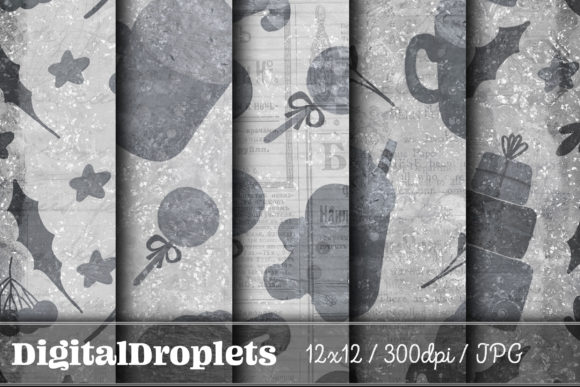
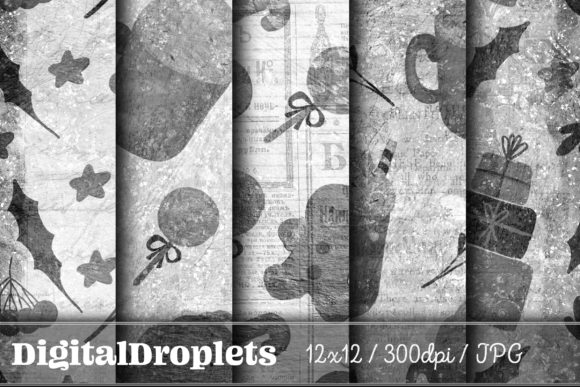
Before diving into a project, take a moment to evaluate fit. Browse the entire set. Do the color tones align with your project's palette? Does the level of texture complement or compete with your other design elements? Remember, the listing pictures are samples from the full 20-paper collection, so reviewing all ten included papers is a must.
- Test Readability First: Always place your text over the chosen paper at the intended size. The vintage textures, while beautiful, can sometimes make small or thin fonts difficult to read. A quick test can save hours of frustration later.
- Leverage the Layers: Don't just use the paper as a flat background. In software like Photoshop or Canva, play with blend modes (Multiply, Overlay, Soft Light) to integrate the texture more dynamically with your other elements. You can also use clipping masks to apply the pattern only to specific shapes or text.
- Consider Commercial Licensing: If you're using these for client work or products for sale, confirm the licensing. This set is part of a larger collection, so understanding the terms ensures your use is compliant, whether for digital products, printed goods, or brand identity projects.
- Think Beyond Christmas: While the patterns are holiday-themed, the underlying textures—aged paper, subtle writing, muted tones—are timeless. They can be used for winter projects, vintage-themed designs year-round, or as sophisticated backgrounds for non-seasonal marketing materials with a classic appeal.
The true value of a resource like the Christmas Home Vol. 40 | Collection lies in its ability to bridge the gap between digital precision and analog soul. It provides a starting point that already has depth, story, and emotion baked in. By using it thoughtfully—pairing it with the right typeface, testing for clarity, and applying it in contexts where its vintage charm can resonate—you elevate your work from simply designed to meaningfully crafted. It's not just a design asset; it's a conversation starter, a mood-setter, and a shortcut to creating something that feels genuinely personal.