Elegant Vintage Vol. 4: A Designer's Guide to This Paper Collection
Finding the right texture for a project can feel like searching for a specific grain of sand on a beach. You need something that feels authentic, has character, and doesn't overpower your main subject. The Elegant Vintage Vol. 4 | Collection enters this space not as a loud statement, but as a nuanced, layered background. It's a set of digital papers designed for creators who need a vintage aesthetic that feels earned, not applied. This collection blends the structured elegance of damask patterns with the organic, unpredictable texture of aged newspaper. The result is a versatile asset that works across digital and physical projects, from scrapbooking to brand identity elements.
Anatomy of the Aesthetic: What's Inside the Collection
At its core, the Elegant Vintage Vol. 4 | Collection is a set of ten 12x12 inch, 300dpi JPEG files. This technical specification is crucial for any professional work. The high resolution means these papers won't pixelate when printed at standard sizes or scaled for digital use. The 300dpi ensures they meet the quality threshold for most print-on-demand services and professional printing.
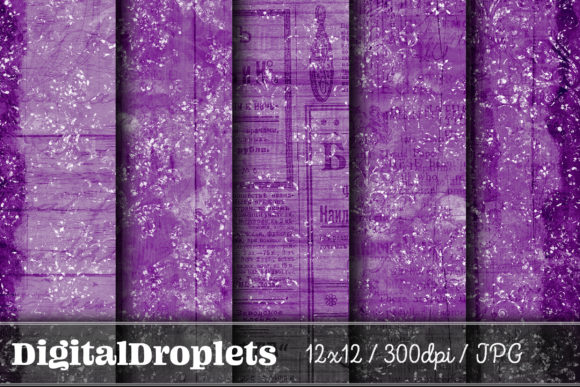
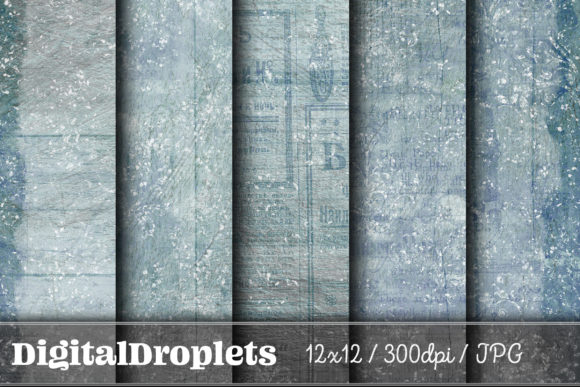
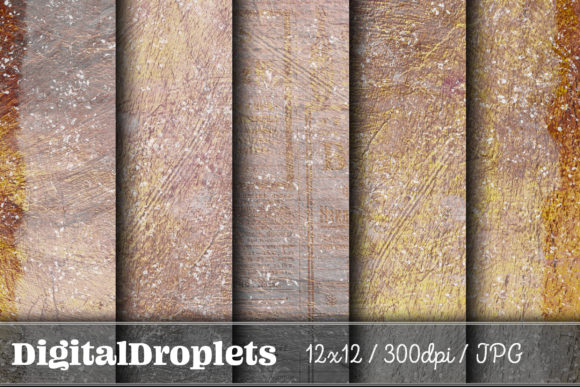
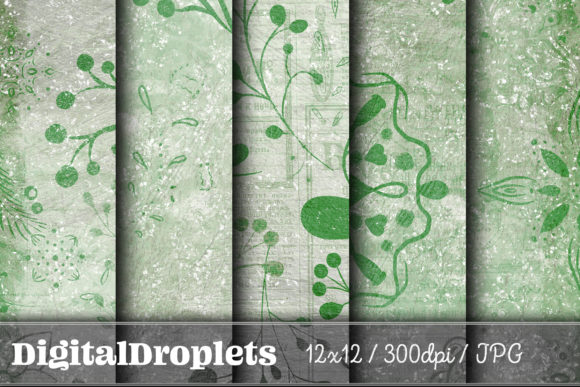
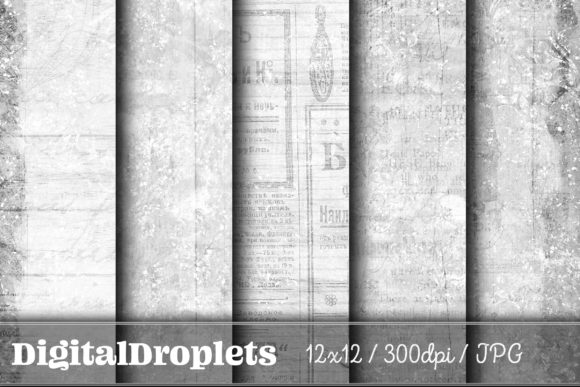
The visual personality of this set is a careful study in contrast. Each of the ten papers features a glittered damask pattern. Damask, a reversible figured fabric, historically conveys luxury, formality, and intricate craftsmanship. Here, the digital interpretation adds a subtle, textured shimmer—the "glitter"—that catches the light without feeling cheap or overly sparkly. This pattern is then overlaid onto a vintage newspaper texture. This base layer introduces an element of history, randomness, and tactile imperfection. You might see faint column lines, aged yellowing, or the ghost of old typeface. The combination creates a visual tension: the precise geometry of the damask is softened and made more human by the organic decay of the newspaper.
A key detail that sets this collection apart is the inclusion of a unique border on each paper. This transforms each file from a simple background into a ready-made frame or layout element. It saves significant time in design workflows. Instead of manually creating a distressed border or searching for a separate asset, you have a cohesive element that matches the paper's texture and color palette. For someone designing a series of invitations or a set of social media graphics, this consistency is invaluable.
Practical Applications: Beyond the Scrapbook Page
While this collection is perfect for scrapbooking and junk journals, its utility extends far into professional design and marketing. Thinking of it as a design asset rather than just a craft paper unlocks its potential.
For brand identity and logo design, a texture from this set could serve as a background for a logo lockup on a website or a business card. It immediately communicates a brand that values heritage, craftsmanship, or a story. A boutique coffee roaster, a vintage clothing store, or a artisanal baker could use this texture to reinforce their brand narrative. The key is to use it as a supporting element, not the star. It works best behind clear, legible typography—perhaps a clean sans serif font for modern contrast or a elegant serif font for classic pairing.
In editorial design and packaging design, these papers can become the actual surface. Imagine a recipe card set, a menu for a bistro, or the inner lining of a luxury product box printed on one of these textures. The unique borders are particularly useful for creating tags, envelopes, and washi tape strips. A small business owner could print custom tags for their products, achieving a high-end, custom look without the cost of specialty printing.
Digital applications are equally robust. Use them as backgrounds for social media graphics, especially for Instagram posts or Pinterest pins promoting a sale, event, or new product. The texture adds depth that a flat color cannot, helping graphics stand out in a crowded feed. For blog design, a paper from this set could be used as a background for a sidebar, a featured image, or a divider graphic, adding a touch of warmth and personality to a digital space.
Integrating the Collection into Your Workflow
When incorporating the Elegant Vintage Vol. 4 | Collection into your projects, a few practical considerations will ensure success. First, always evaluate project fit. This aesthetic is inherently detailed and textured. It works best for projects where the mood is nostalgic, romantic, rustic, or artisanal. For a sleek, minimalist tech startup, it might feel dissonant. For a wedding stationery suite or a historical society's fundraiser, it's ideal.
Next, consider readability and visual hierarchy. Because the background has its own pattern and texture, any text placed on top must be highly legible. Increase the contrast by using a solid, often darker, color for your type. Consider adding a semi-transparent shape (like a rectangle or circle) behind text blocks to create a cleaner field. The font you choose is critical here. A delicate script font might get lost, while a bold display font could stand up to the background's complexity. Always test your font pairing on the actual paper texture at the intended size.
Finally, understand the licensing. This is a commercial font collection, meaning it's licensed for use in projects you sell, whether physical or digital. You can use it on products for sale on Etsy, in client work, or in your own branded materials. The listing notes that the ten papers are part of a larger twenty-paper set, and the preview images are samples. This is a common practice for digital asset sellers. It's a good idea to check the shop for other variations or free samples to see the full range of textures and patterns available.
The true value of a collection like this lies in its ability to solve multiple problems at once. It provides a cohesive visual language, saves time with pre-made elements like borders, and offers the technical quality needed for professional output. It’s a tool for telling a richer, more textured story in your designs.