Inked Glam Vintage Vol. 15: Dark Textures for Modern Projects
When you're building a visual world, especially one that leans into the moody, the historical, or the intriguingly worn, finding the right background is half the battle. You need a surface that tells a story before the main element even lands on it. The Inked Glam Vintage Vol. 15 | Collection is designed for exactly that purpose. It’s a set of 12×12 digital papers that provide a complex, atmospheric foundation for your work, moving far beyond simple color fills or basic patterns.
Anatomy of the Inked Glam Vintage Aesthetic
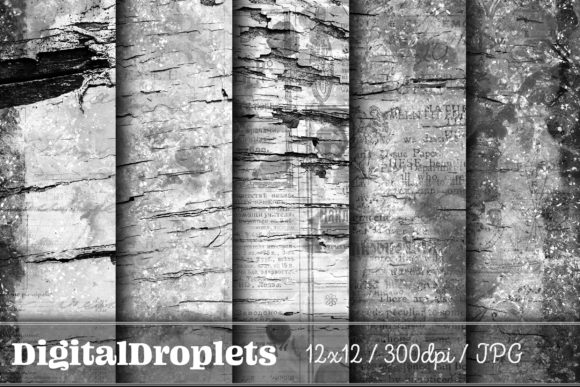
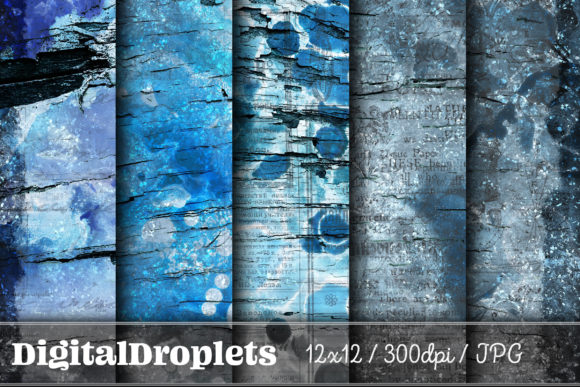
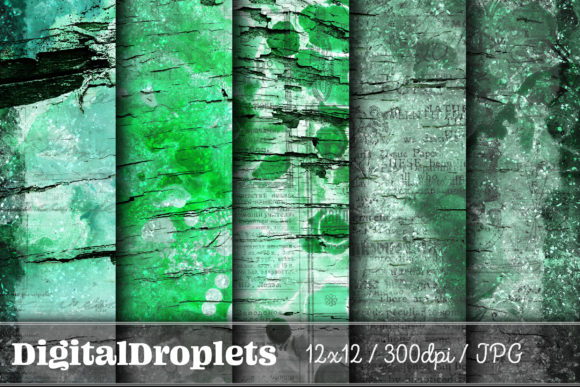
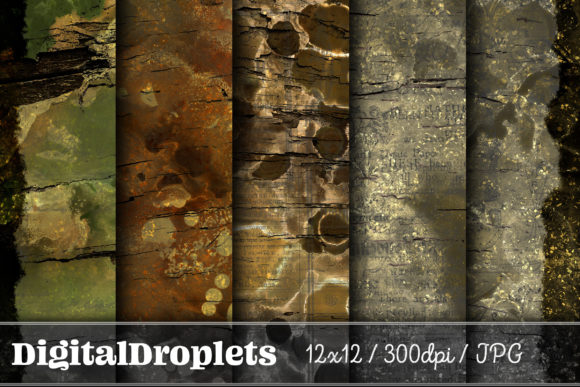
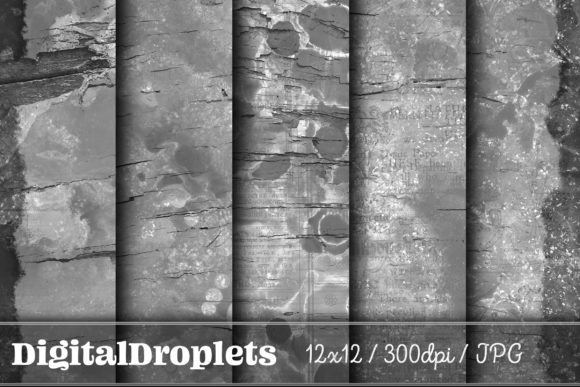
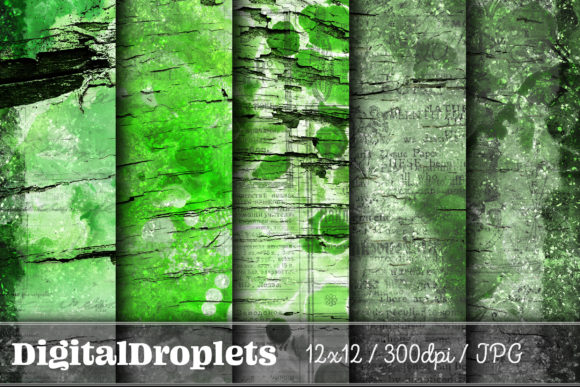
At its core, this collection is about layered texture. Each of the 10 papers in the set starts with a weatherboard texture—that familiar, linear grain of aged wood paneling. This provides an immediate sense of age and structure. Overlaid on this base is a unique ink or watercolor texture, which introduces organic, fluid shapes and deep, saturated hues. The result is a surface with both rigid history and artistic spontaneity.
What elevates the Inked Glam Vintage Vol. 15 | Collection 12×12 Paper Set further are the subtle, additional layers. Faint newspaper textures ghost through some designs, adding a layer of implied narrative and time period. Subtle glitter patterns catch the light in others, introducing a touch of unexpected glamour against the grunge. This combination of weathered wood, ink stains, newsprint, and sparkle creates a personality that is decidedly gothic and grungy, yet retains a sophisticated, vintage charm. It’s a style that resonates deeply with steampunk aesthetics, where the mechanical meets the ornate, and with vintage projects that celebrate the beauty of imperfection and decay.
Where These Textured Papers Excel
The versatility of a strong set of design assets like this is measured by its range of applications. The Inked Glam Vintage Vol. 15 | Collection isn't just for one niche; it’s a toolkit for creating mood and depth across numerous formats.
For crafters and hobbyists, these papers are a dream for junk journaling. They provide instant, rich backgrounds for collages, tip-ins, and pockets. The textures are perfect for creating custom washi tape strips, die-cut shapes, gift tags, and envelopes that feel genuinely antique. In scrapbooking, they set a powerful scene for vintage family photos, historical documentation, or any project where you want to evoke a specific, atmospheric era. The high-resolution 300dpi JPEG files ensure that whether you’re printing at home or through a professional service, the detail remains crisp.
For digital creators, marketers, and small business owners, the applications are equally practical. Use them as website backgrounds for blogs or landing pages that need a tactile, organic feel. They make stunning, eye-catching social media graphics that stop the scroll. In editorial design or packaging design, they can serve as the foundational layer for a brand identity that tells a story of craftsmanship, history, or artisanal quality. Imagine a craft distillery’s label, a boutique hotel’s menu, or a podcast’s episode artwork using these textures to instantly communicate a specific mood.
Integrating Texture into Your Design Workflow
Working with textured backgrounds requires a slightly different approach than working with flat colors or simple gradients. The key is to let the texture do the storytelling while ensuring your primary content remains the hero. Here’s how to get the most out of a collection like this.
First, consider readability and visual hierarchy. A complex background demands strong contrast for any text placed over it. When using these papers for web design or social media graphics, pair them with clean, legible typography. A bold sans serif font or a crisp serif font often works best for headlines, ensuring your message cuts through the texture. For body text, always test for readability; sometimes, adding a slight color overlay or a subtle drop shadow to a text box can create the necessary separation without obscuring the beautiful background.
Next, think about font pairing. The vintage, gothic character of the Inked Glam papers creates a fantastic dialogue with certain typefaces. A script font or handwritten font can add a personal, human touch that contrasts beautifully with the aged, impersonal texture of the wood and ink. For a full steampunk or vintage project, pairing these backgrounds with a decorative display font for titles can create a cohesive, immersive world. The goal isn’t to match the texture’s style exactly, but to create a complementary contrast that feels intentional.
Finally, evaluate the project’s needs. These papers are premium font and asset companions—they are tools for professionals and serious hobbyists. Before using them, ask: Does my project benefit from a sense of history, mystery, or textured depth? Is the target audience likely to appreciate a grunge or vintage aesthetic? For a clean, minimalist tech startup, this might be the wrong fit. For a author’s website for a historical mystery novel, a craft brewery’s branding, or a line of handmade leather goods, it could be perfect. Always check the included license to ensure it covers your intended use, whether personal or commercial.
The beauty of a resource like the Inked Glam Vintage Vol. 15 | Collection lies in its ability to instantly add dimension and narrative weight to your work. It provides a ready-made world for your designs to inhabit, saving you hours of manual texture creation and allowing you to focus on the message and the core design. By understanding its personality and applying it thoughtfully, you can transform flat projects into rich, engaging experiences.