Leaves in the Wind Vol. 15: Vintage Texture for Modern Design
There is a specific tactile quality to paper that digital screens struggle to replicate—the scent of old books, the yellowing of newsprint, and the delicate structure of a preserved leaf. For designers working on scrapbooks, junk journals, or vintage branding, capturing that nostalgia is often the primary goal. The Leaves in the Wind Vol. 15 | Collection bridges that gap, offering a 12×12 Paper Set of 20 papers that combines organic nature with industrial history. This set is not just a random assortment of patterns; it is a curated library of textures designed to add depth, history, and warmth to your creative projects.
Anatomy of a Vintage Texture
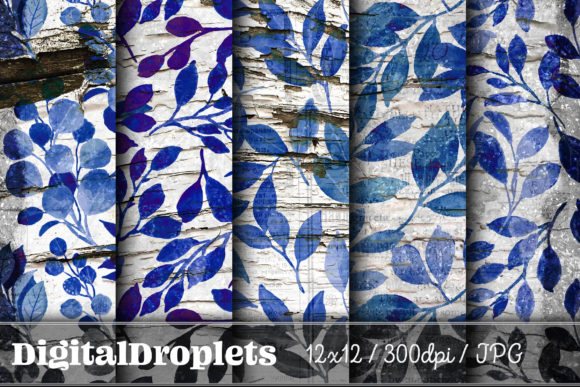
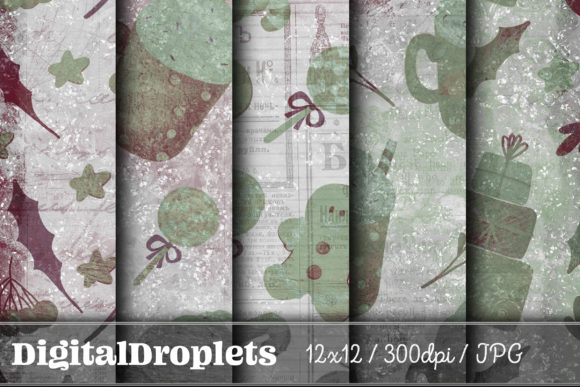
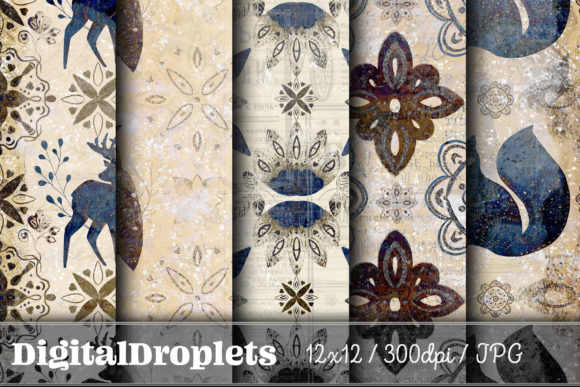
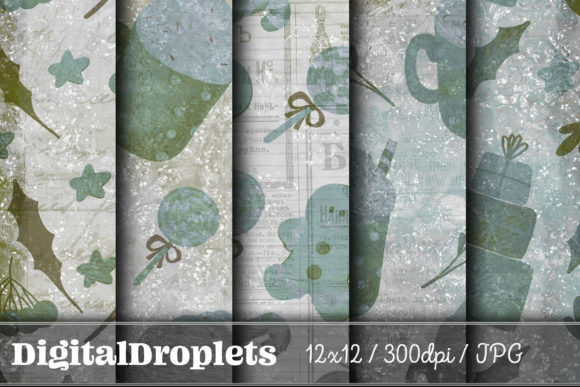
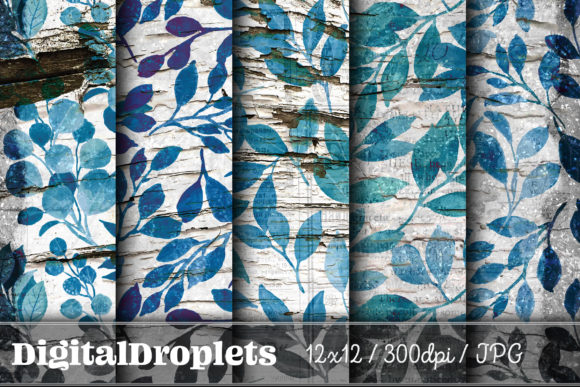
At first glance, the collection appears to be a simple overlay of flora on newsprint. However, a closer look reveals a sophisticated layering of design elements that make this a versatile design asset. The foundation of each paper is a vintage newspaper texture. Unlike a clean, stark white background, these newsprints provide a complex visual history. The text, though often illegible or blurred, creates a busy, dynamic micro-pattern that adds immediate authenticity to any project. It signals to the viewer that the piece is grounded in the past.
Layered over this foundation are distinct leaf patterns. Nature-inspired design is a staple in graphic design, but here it is treated with a respectful hand. The leaves vary from page to page, ensuring that your projects do not look repetitive. What ties the collection together, however, is the subtle integration of a sparkly damask texture. In editorial design, mixing industrial textures (newsprint) with aristocratic ones (damask) creates a "high-low" aesthetic that feels eclectic and intentional. The sparkle is not overpowering; it is a subtle grit that catches the light, adding a layer of premium quality to the final output.
Practical Applications for Creators and Brands
Understanding the visual characteristics of Leaves in the Wind Vol. 15 allows us to apply it effectively across various mediums. The 300dpi, high-resolution JPEGs ensure that these textures hold up under scrutiny, whether viewed on a high-definition monitor or printed at a large scale.
Scrapbooking and Junk Journaling
For hobbyists and memory keepers, the primary value lies in the "lived-in" look. These papers serve as excellent backgrounds for photo albums. When you place a modern, high-contrast photograph against a muted, sepia-toned newsprint, the subject of the photo pops. The included borders on each paper also offer a built-in framing device, reducing the time needed to edit in software like Photoshop or Canva. They are equally effective as envelopes or tags, providing a cohesive look to gift wrapping or snail mail.
Commercial Branding and Packaging
For entrepreneurs and small business owners, texture is a powerful tool for brand identity. If you are branding a coffee shop, a botanical garden, or a heritage clothing line, these textures communicate a specific vibe without saying a word. Using these papers as backgrounds for social media graphics or blog design elements can soften a digital presence, making a brand feel more accessible and human. The vintage aesthetic is timeless; it avoids the fleeting trends of flat design and instead offers something with substance.
Digital and Print Production
The utility of this collection extends into professional publishing and packaging design. A creative font set against one of these busy textures requires careful handling, but the result is a sophisticated editorial design. Imagine a logo design for an artisanal product printed on a kraft paper box—these digital textures mimic that physical reality perfectly for digital mockups. Furthermore, they are ideal for creating washi tape strips, planner stickers, and wall art. Because the files are 12x12, they scale beautifully for standard print sizes.
Design Strategy: Pairing and Hierarchy
When working with complex textures like those found in Leaves in the Wind Vol. 15, the principles of visual hierarchy become critical. You are no longer working with a blank canvas; you are working with a canvas that already has a voice. Here is how to maintain readability and professionalism:
- Font Pairing: Avoid using a handwritten font or a highly ornate script font directly on top of the busiest parts of the newsprint texture. The competing lines will reduce legibility. Instead, pair these vintage textures with a clean sans serif font. The geometric simplicity of a sans serif creates a beautiful contrast against the organic, chaotic nature of the vintage background.
- Color Palette: The papers feature earth tones, sepia, and muted greens. When adding your own text or graphics, stick to a monochromatic scheme or use deep, rich colors like burgundy, navy, or forest green. Bright neon colors often clash with vintage textures, breaking the immersion of the design.
- Opacity and Blending: If the texture is too dominant for your typography, consider lowering the opacity of the background paper or placing a semi-transparent shape (like a circle or rectangle) behind your text. This creates a "safe zone" for reading while still allowing the beautiful leaf and damask patterns to frame the content.
Evaluating Fit and Licensing
Before incorporating any design assets into a commercial workflow, it is wise to evaluate the fit. The Leaves in the Wind collection is distinctly vintage and feminine-leaning due to the floral elements and damask overlay. It works best for projects targeting audiences who appreciate nostalgia, nature, or artisanal craftsmanship. It may not be the right fit for a futuristic tech startup or a heavy metal band, but for lifestyle brands, wedding invitations, or historical publications, it is an invaluable tool.
When working with commercial fonts or assets, always review the licensing. The creator notes that there are variations and freebies available in their shop, which is a great way to test the waters. However, ensure that your final use case—whether it is a physical product sold on Etsy or a digital template sold to others—aligns with the usage rights provided. High-resolution assets (300dpi) are specifically designed for print, so if you are solely a web designer, you have the advantage of being able to scale these textures down for faster load times without losing quality, or cropping specific sections to create unique social media graphics.
Conclusion
The Leaves in the Wind Vol. 15 | Collection is more than just a set of digital papers; it is a toolkit for storytelling. By combining the industrial grit of newspaper, the softness of nature, and the elegance of damask, it offers a balanced aesthetic that is hard to find in stock libraries. Whether you are assembling a junk journal, designing a wedding invitation, or crafting a brand identity for a boutique business, these textures provide the foundation for designs that feel authentic, tactile, and professionally curated.