Unearthing Digital Elegance with Vintage Flowers Vol. 25
In the realm of digital design, finding assets that genuinely evoke a specific mood without looking generic is a constant challenge. We often scour the internet for textures that don't just sit in the background but tell a story. This is where the Vintage Flowers Vol. 25 | Collection steps in, offering a distinct aesthetic that bridges the gap between historical elegance and modern utility. It is not merely a set of images; it is a curated toolkit for creators who need their work to feel tangible, textured, and deeply atmospheric. Whether you are building a brand identity for a niche boutique or crafting a personal scrapbook, understanding the nuances of this collection is the first step toward elevating your visual output.
Aesthetic Deep Dive: The Personality of the Collection
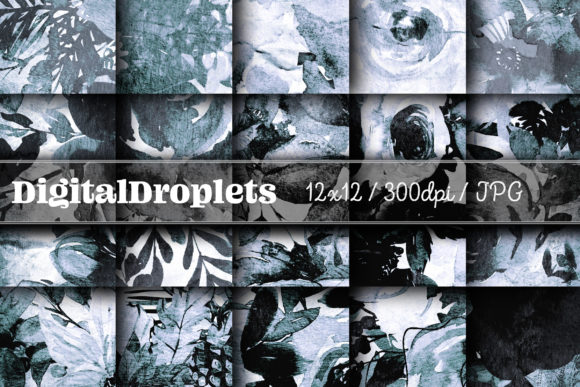
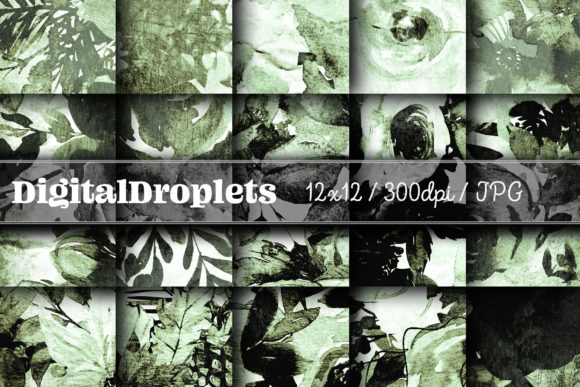
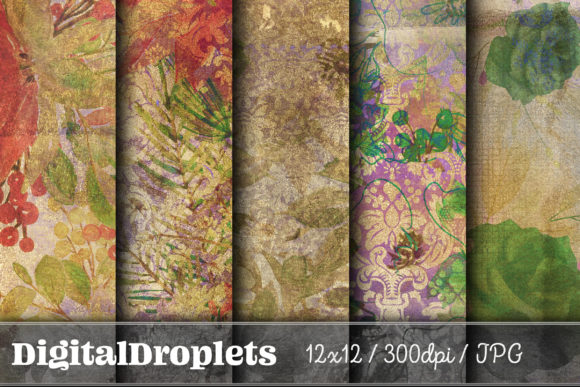
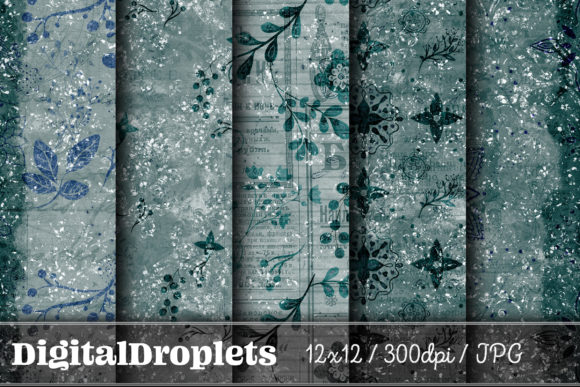
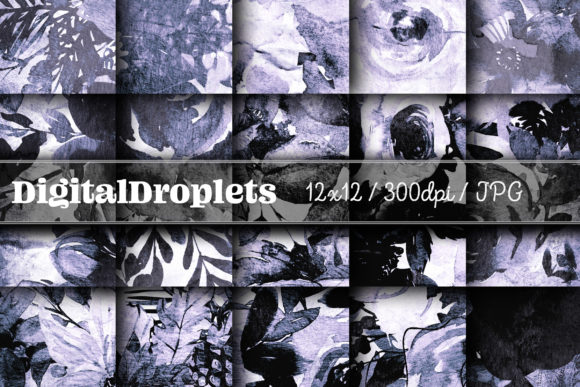
The defining characteristic of the Vintage Flowers Vol. 25 | Collection is its unapologetic embrace of the "imperfect." In an era of high-gloss, vector-perfect graphics, these papers offer a breath of fresh air with their gothic and grungy undertones. Each of the ten papers features a unique floral pattern overlaid on a vintage paper texture. This layering technique creates a sense of depth that flat digital colors simply cannot achieve. You will notice that the color palettes tend toward muted earth tones, sepia washes, and deep botanical greens, creating a moody, steampunk-compatible atmosphere.
For the experienced designer, the "grunge" element here is particularly valuable. It provides an instant sense of history. When you use these textures in logo design or packaging design, you are immediately signaling to your audience that the brand values tradition, craftsmanship, or a retro aesthetic. This is a premium font equivalent in the world of background papers—high-quality, intentional, and distinct. It avoids the trap of looking like a generic stock photo by focusing on the specific interplay between floral softness and gritty texture.
Strategic Applications: From Print to Pixel
The versatility of the Vintage Flowers Vol. 25 | Collection lies in its ability to adapt to various formats. The included files are high-resolution 300dpi JPEGs, sized at 12x12 inches, which is the industry standard for high-quality digital scrapbooking and print projects. However, limiting this set to scrapbooking would be a mistake. As a creative professional, you should view these as raw materials for a much wider range of applications.
For editorial design and web design, these textures serve as excellent backgrounds for landing pages or magazine spreads that require a vintage or industrial vibe. Because the patterns are intricate, they work best behind content blocks that have solid padding or semi-transparent overlays to ensure readability. In social media graphics, where stopping the scroll is paramount, these papers can be used to create "quote cards" or promotional headers that feel substantial and artisanal. They cut through the noise of standard flat-design trends.
Furthermore, consider the physical applications. If you are a small business owner creating brand identity materials, printing these papers on cardstock creates instant, high-end packaging for jewelry, soaps, or artisanal goods. They can be cut into washi tape strips, tags, or envelope liners. The "gothic" and "vintage" nature of the set makes it particularly well-suited for wedding invitations with a dark romantic theme or Halloween-specific marketing materials that need to feel sophisticated rather than kitschy.
Design Integration and Pairing Strategy
When incorporating the Vintage Flowers Vol. 25 | Collection into your work, typography choice becomes critical. Because these papers have a strong visual personality, you must be careful not to create a design that feels cluttered. The best approach is contrast. If the background is ornate and vintage, your typography should offer clarity.
A clean sans serif font often works beautifully against these textures, creating a modern-vintage hybrid aesthetic that feels current. Alternatively, if you are leaning fully into the steampunk or Victorian era, a bold serif font can reinforce the theme, provided the text is large enough to remain legible. Avoid using overly decorative script fonts or handwritten fonts for body text, as the floral patterns may compete with the letterforms. Instead, reserve script fonts for large headlines where the letters can stand out against the texture.
Readability is the ultimate metric of success here. In web design, this might mean using the vintage paper texture only in the hero section or footer, leaving the main content area clean. In packaging design, it might mean using the texture for the interior of a box or the back panel, keeping the front logo area simple. The goal is to use the collection to evoke a feeling without overwhelming the message.
Practical Workflow and Asset Management
From a production standpoint, the Vintage Flowers Vol. 25 | Collection is designed for efficiency. The set includes 10 papers, which provides enough variety to maintain visual interest across a multi-page project—such as a digital planner or a lookbook—without becoming repetitive. It is worth noting that this set is part of a larger 20-paper collection. If you find that the specific floral motifs in this volume align with your brand, exploring the full suite allows for greater consistency across long-term campaigns.
When using these assets for commercial work, always test how the colors interact with your specific printer or monitor calibration. Vintage textures can sometimes shift in hue when converted from RGB to CMYK, particularly regarding the sepia tones. A practical recommendation is to overlay your brand colors on top of the paper texture using "Multiply" or "Overlay" blending modes in Photoshop. This technique allows your brand identity to harmonize with the vintage texture rather than fighting against it.
Ultimately, the Vintage Flowers Vol. 25 | Collection is a tool for storytelling. It appeals to the crafter who wants their photo album to feel like an heirloom, and to the marketer who wants to evoke the reliability of the past. By treating these textures not just as backgrounds but as integral components of your visual hierarchy, you can create designs that are not only beautiful but also deeply resonant with your audience. It is a reminder that in a digital world, a touch of history and texture can make all the difference.