Vintage Flowers Vol. 23: A Textured Paper Collection for Moody, Authentic Projects
There’s a certain pull to designs that feel like they’ve lived a little. They carry a weight, a story, a texture that smooth, digital-perfect graphics often miss. If your creative work leans into that narrative—whether it’s for a brand with a steampunk edge, a personal junk journal, or marketing materials that need to feel grounded and authentic—the right design assets are crucial. The Vintage Flowers Vol. 23 | Collection is one such asset, offering a set of digital papers that bridge the gap between floral elegance and a distinctly grungy, aged aesthetic.
Understanding the Visual Character of This Paper Set
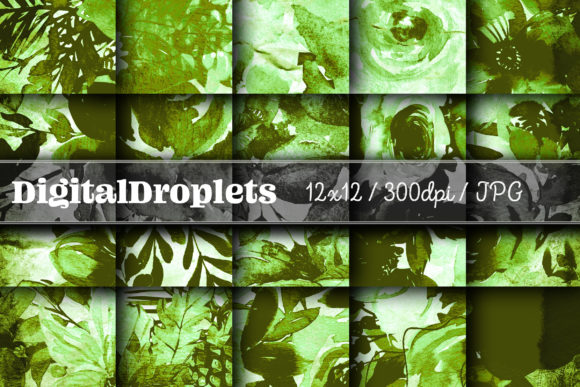
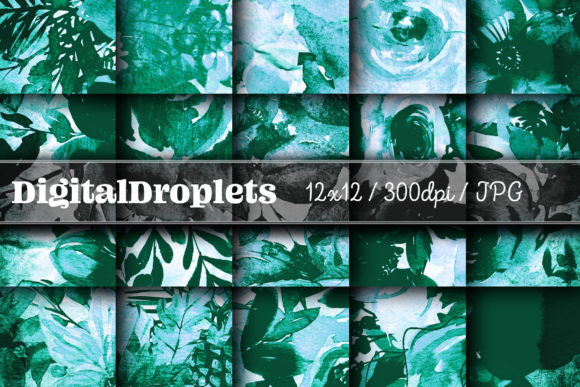
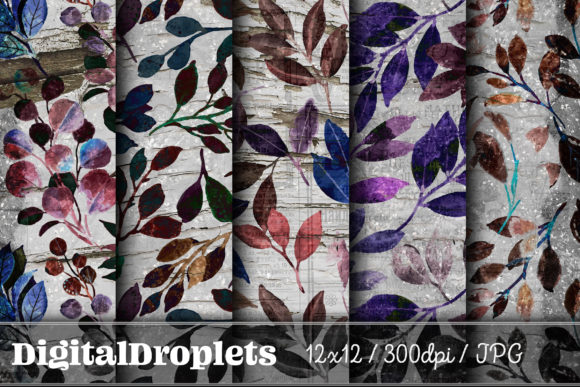
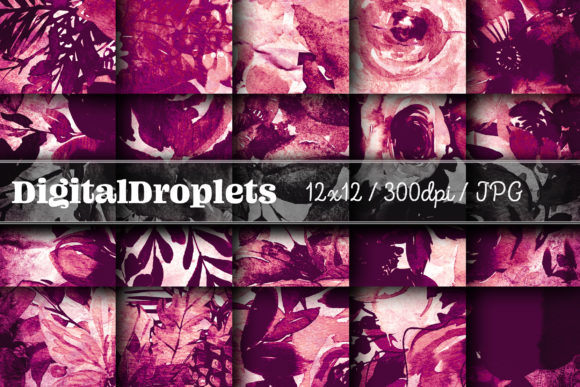
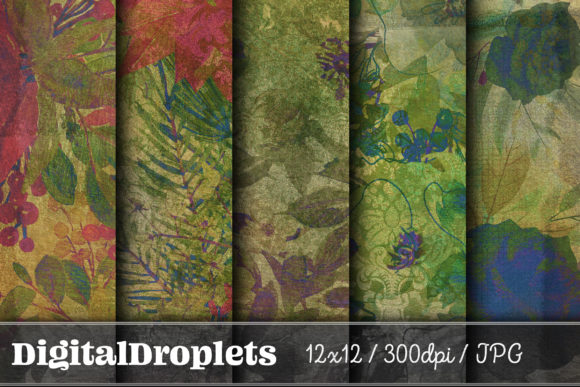
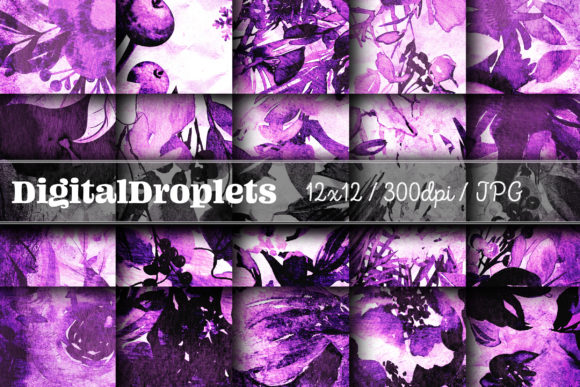
At its core, this is a collection of 10 high-resolution, 12x12 inch papers. Each sheet presents a unique floral pattern, but the key is what lies beneath. These aren’t fresh, bright botanicals; they’re overlaid onto vintage paper textures that introduce cracks, stains, and a sense of history. The overall personality is decidedly gothic, grungy, and vintage. Think of the faded wallpaper in an abandoned Victorian greenhouse or the pages of a well-loved botanical journal left in a damp attic. The color palette likely leans into muted tones, sepia undertones, and earthy hues, making it a versatile base for projects that require mood and depth without being overly dark.
This style sits at an interesting crossroads. It has the delicate, decorative quality of a script font or serif font but delivers it with the raw, tactile feel of a distressed display font. For a designer, this isn’t just a floral pattern; it’s a texture-rich background that can immediately set a tone. It provides the "lived-in" quality that many brand identity projects, especially in niches like artisanal goods, vintage retail, or atmospheric storytelling, strive to achieve. The Vintage Flowers Vol. 23 | Collection essentially offers a pre-made layer of visual history.
Practical Applications: From Digital Screens to Physical Crafts
The true value of a design asset like this lies in its adaptability. Because these are high-resolution JPEGs, they function beautifully across both digital and print mediums. For digital designers, they make compelling backgrounds for websites, blog headers, and social media graphics. Imagine a food blogger specializing in heritage recipes using one of these papers as the background for an Instagram post—the texture adds instant credibility and context. Similarly, for web design, a subtle use as a section background can break up digital sterility and guide the viewer’s eye, enhancing visual hierarchy.
In the realm of print design and physical craft, the applications multiply. This set is explicitly designed for scrapbooking and junk journals, where the goal is to create a cohesive, tactile experience. The papers can be printed and cut for use as decorative elements, tags, or washi tape strips. For entrepreneurs and small business owners, consider their use in packaging design—a box liner for a handmade soap company or a wrapper for artisan chocolate. For marketers and publishers, these textures can elevate the editorial design of a lookbook, a menu, or an event invitation, adding a layer of sophistication and theme that plain cardstock cannot.
Integrating the Collection into a Cohesive Design Strategy
When incorporating a strong stylistic element like the Vintage Flowers Vol. 23 | Collection, the key is intentionality. It should complement, not overwhelm, your core message. Here’s how to think about it:
- Evaluate Project Fit: This collection excels where a vintage, steampunk, or gothic theme is required. It might be perfect for a tattoo parlor’s brand collateral, a historical fiction book cover, or a boutique’s seasonal sale tags. It would likely clash with a project requiring a clean, minimalist, or ultra-modern aesthetic.
- Font Pairing is Critical: Because the papers are textured and detailed, pairing them with the right typeface is essential for readability. A clean, geometric sans serif font can provide excellent contrast, ensuring text remains legible against the busy background. Alternatively, a sturdy serif font can lean into the vintage feel. Avoid overly ornate script fonts for body text, as they can get lost; save them for short, impactful headlines.
- Think in Layers: Use these papers as one component in a larger visual system. They work exceptionally well as a background layer. Place your logo, typography, and other graphic elements on top, perhaps with a slight drop shadow or a solid-color panel behind text to guarantee clarity and professionalism.
- Commercial Considerations: Always review the licensing terms of any design assets. This set, being part of a larger collection, is likely suitable for both personal and commercial use, but it’s a crucial step for any content creator or business owner to verify. Understanding the license protects your work and ensures you’re using the asset correctly.
The Vintage Flowers Vol. 23 | Collection is more than just pretty paper. It’s a strategic tool for evoking a specific emotion and era. Its strength lies in its ability to add narrative depth and tactile interest to a project, helping to build a stronger connection with an audience that appreciates craftsmanship and history. By using it thoughtfully—considering font pairing, project context, and overall brand perception—you can transform it from a simple pattern into a cornerstone of compelling, authentic design. It’s a reminder that in a world of pristine digital vectors, sometimes the most powerful design choice is one that shows its age.