Vintage Flowers Vol. 22: A Gritty Floral Collection
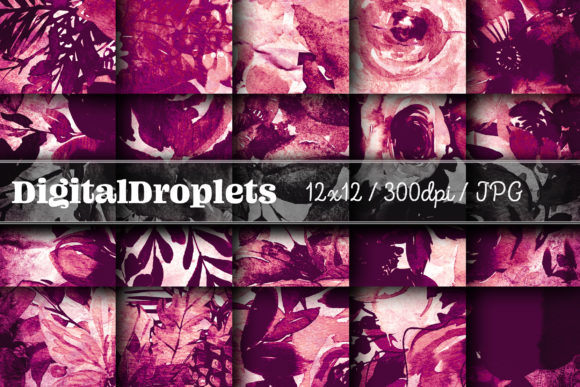
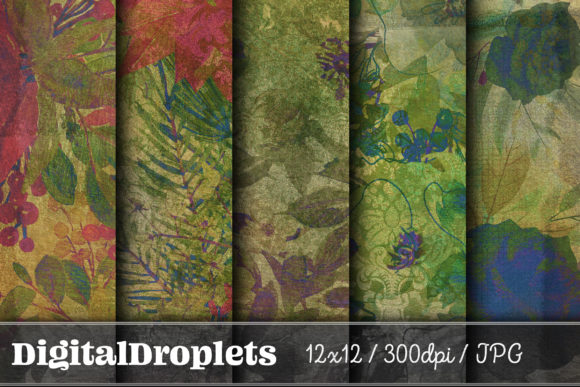
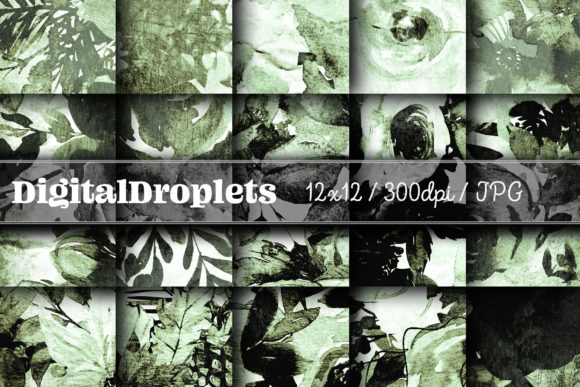
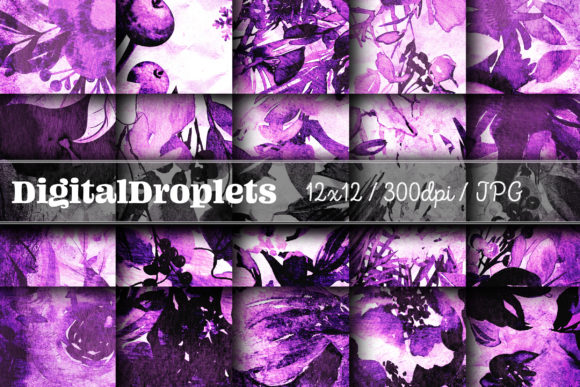
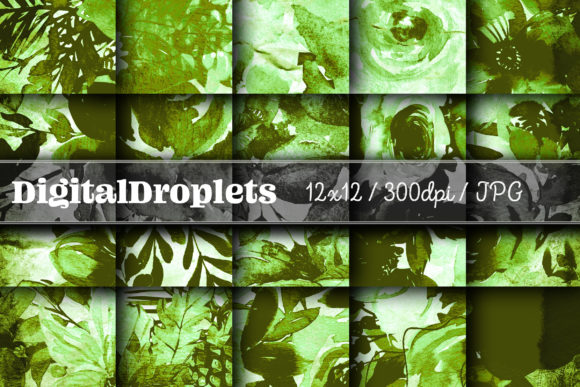
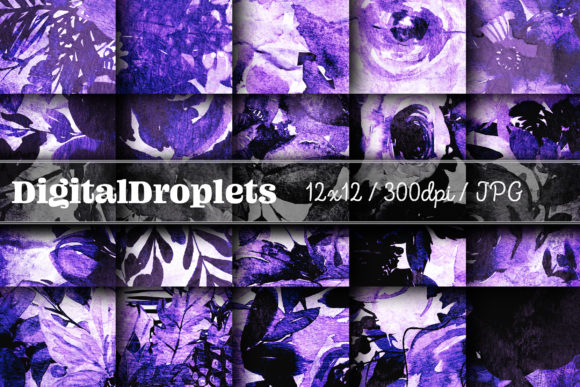
When you're designing for a project that needs to feel like it has a history, that has been handled and loved, standard, clean graphics often fall short. You need texture, depth, and a certain imperfection that tells a story. This is precisely the territory where the Vintage Flowers Vol. 22 | Collection excels. It's not just a set of floral papers; it's a toolkit for creating atmospheres steeped in a gothic, grungy, and authentically aged aesthetic. Each of the ten 12x12 papers presents a unique flower pattern, but the common thread is the underlying vintage paper texture—think subtle stains, softened edges, and a color palette that feels pulled from a forgotten attic or a well-loved botanical journal.
More Than Pretty Petals: Defining the Aesthetic
The personality of this collection is distinct. It leans heavily into the vintage and grungy side, making it a perfect design asset for projects that aim for a sense of the antique, the steampunk, or the romantically decayed. This isn't bright, cheerful florals. The flowers here—whether they are roses, peonies, or wildflowers—are rendered with a level of detail that feels archival, overlaid on textures that suggest age and use. The color schemes are muted, earthy, and often incorporate the deep shadows and subtle highlights characteristic of old paper.
This aesthetic has powerful applications in modern brand identity and editorial design. For a boutique tea company, a heritage bakery, or a artisanal perfume maker, these textures can form the foundation of a logo design or packaging that communicates tradition and craftsmanship. In editorial design, such as for a magazine feature on historical gardens or a book cover for gothic fiction, these papers provide an immediate visual shorthand for the era and mood. The key is that the texture does much of the storytelling work for you, allowing other typeface choices to complement rather than compete.
Practical Applications: From Digital to Physical
The versatility of the Vintage Flowers Vol. 22 | Collection is one of its strongest assets. Its high-resolution, 300dpi JPEG format makes it suitable for both digital and print projects. Here’s how creatives are putting it to work:
- Scrapbooking & Junk Journals: This is a natural home. The papers serve as rich, layered backgrounds for photos and memorabilia, instantly adding a thematic layer to a page without any extra work.
- Digital Design & Web: Use them as full-page website backgrounds for blogs or portfolios with a vintage niche. They are excellent for creating social media graphics, particularly for quotes, announcements, or story backgrounds on platforms like Instagram. The texture ensures visual interest even with minimal text.
- Print & Packaging: The papers are ideal for creating custom washi tape designs, gift wrap, tags, and envelopes. For packaging design, they can be used as sleeve wraps, box liners, or label backgrounds, adding a tactile quality to the visual presentation.
- Marketing & Branding: Small business owners can use these textures in their brand identity systems for creating consistent, themed materials like business cards, thank you cards, and promotional posters. They work exceptionally well for brands in the vintage, cottagecore, or steampunk markets.
When selecting a paper from the set, consider the dominant color and the density of the floral pattern. A paper with a very busy, dark pattern might overwhelm small text, making it better suited as a background for a central image or a bold typographic header. A more subdued paper with larger areas of open texture is perfect for layering text and other design elements.
Integrating with Modern Typography
Pairing these textured papers with the right typeface is crucial for achieving a polished result. The goal is to create contrast and ensure readability. Because the papers themselves are highly decorative, your typographic choices should often lean towards clarity.
For headlines or display text, a clean, strong sans serif font or a elegant serif font with good weight can cut through the texture beautifully. Think of a bold, modern sans serif for a steampunk project or a refined serif for a vintage botanical theme. Avoid overly ornate script fonts or handwritten fonts for large blocks of body text, as they can become illegible against a busy background. However, a well-chosen script can work wonderfully for a short title or a brand name, provided there is enough negative space around it.
A practical tip is to always test your font pairing directly on the paper texture. Place a sample of your intended body text and headline over the paper at actual size. Check the contrast and readability at a glance. Sometimes, adding a subtle semi-transparent shape (like a white or off-white rectangle) behind your text can create a clean area for content while still showcasing the beautiful vintage texture around it. This maintains the aesthetic while prioritizing function—a balance every designer should seek.
The Vintage Flowers Vol. 22 | Collection is a specialized tool. It’s for the designer or creator who needs to evoke a specific, textured, and deeply nostalgic feeling. By understanding its visual personality and applying it thoughtfully alongside considered typographic choices, you can transform a simple project into something with depth, history, and compelling character.